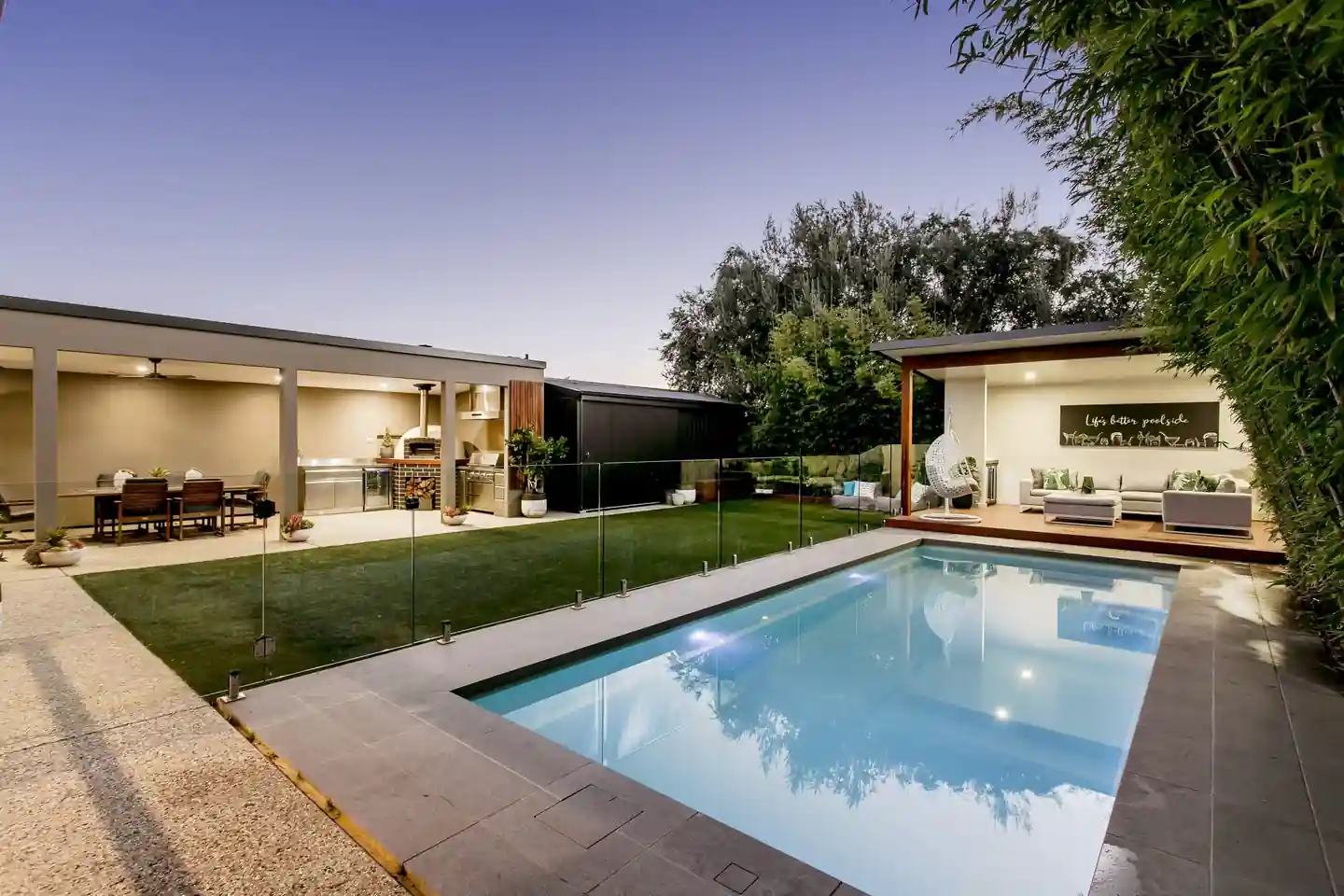
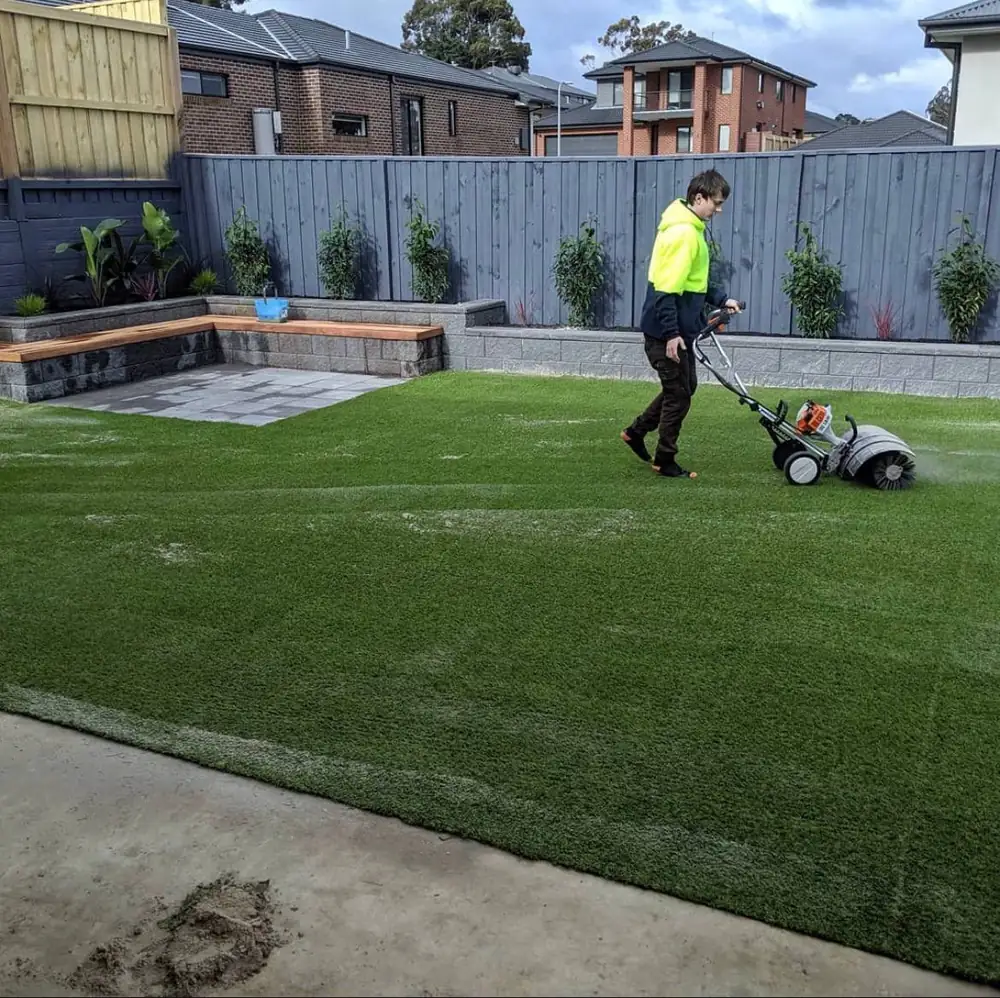
Synthetic turf backyard installed in Melbourne
Melbourne & Greater Victoria

Artificial grass drainage and weed control explained

Artificial grass drainage and weed control matter more than the grass itself. If the base is wrong, water sits, edges move, weeds find gaps and your lawn never looks right for long. That is the bit a lot of sales pages skip. If you are comparing artificial grass in Melbourne, focus on what goes under it and where the water goes. A good synthetic turf install starts with excavation, the right crushed rock base, compaction and falls that suit your yard. Weed control is part of that, but no installer can honestly say weeds will never appear again.

Supplied and installed from $79/m². Fixed written price before any work starts.

8-year manufacturer warranty
Fully insured & licensed
Free on-site measure & quote
Owner-run, Melbourne based

What actually makes fake grass drain well

Good drainage under fake grass comes from the base, not just the backing of the turf. Most quality artificial grass lets water pass through it, but that only helps if the layers underneath can move the water away. In a proper install, the area is excavated, a compacted crushed rock base is laid, and the surface is shaped so water has somewhere to go. That might mean a gentle fall away from the house or toward an existing drainage point. Flat does not always mean level. Sometimes a lawn looks flat but still needs a slight fall to stop puddles. Clay soils, low spots and heavy shade can make drainage more challenging, so the prep matters even more. If someone only talks about the grass pile and not the sub-base, ask more questions before you commit.
How weeds get into synthetic turf anyway

Weeds under artificial grass are usually less of a problem than weeds coming in from above. A good install removes existing growth, prepares the base properly and reduces the chance of weeds pushing up through the middle. But weed seeds can still blow in, land in dust and leaf matter sitting on top, and grow there if the lawn is not kept clean. That is why honest weed control advice matters. Synthetic lawn is not a magic barrier that ends every weed forever. Edges, joins, garden beds and fence lines are the usual weak points. If the perimeter is messy or the base is rushed, weeds have more opportunities. The trade-off is simple. Better prep and cleaner edge work cost more effort upfront, but they usually save you hassle later.

Base prep problems that cause puddles and movement

The most common failures in synthetic turf are underneath, where you cannot see them on quote day. If the area is not excavated enough, the base can be too thin and soft. If the crushed rock is the wrong type or not compacted properly, the surface may dip over time. If the falls are ignored, water can sit on top or move toward places you do not want it. And if old organic material is left in the ground, it can break down and create voids. Some yards also need extra drainage work because of the shape of the block or the way stormwater already behaves there. Not every site is simple. In Melbourne, you can get everything from heavy clay to sandy patches, and both affect how a base should be built. The right answer depends on the site, not a one-size-fits-all system.

Can weed mat stop weeds under artificial grass

A weed mat can help in some situations, but it is not a cure-all and it should not be used to cover up poor base work. The main job is still proper excavation, base preparation and compaction. Weed mat may reduce some growth pressure from below, especially where the ground is active, but it does not stop wind-blown seeds landing on top of the turf. It also does not fix drainage on its own. In some cases, the wrong product or poor installation can even hold fines or affect how water moves through the system. That is why it needs to be considered as one part of the build, not the whole solution. If someone is selling weed mat as the reason their artificial grass stays perfect, that is worth treating carefully. Ongoing maintenance still matters.

How we handle base and drainage in Melbourne

When Jason quotes a job, he looks at the actual site conditions first. The right build depends on slope, access, existing surfaces and how water already behaves in your yard. Premium turf is supplied and professionally installed, and you deal directly with Jason as the owner and installer. You get a free measure and quote, a fixed written price and clear advice on what the base needs before the turf goes down. Most residential jobs are completed in a day or two once the crew starts, but the key point is getting the preparation right, not rushing the start. If you want a ballpark figure first, use the instant online calculator. Supply and installation starts from $79/m² supplied and installed. The turf also comes with an 8-year manufacturer warranty, and the business is fully insured and licensed.

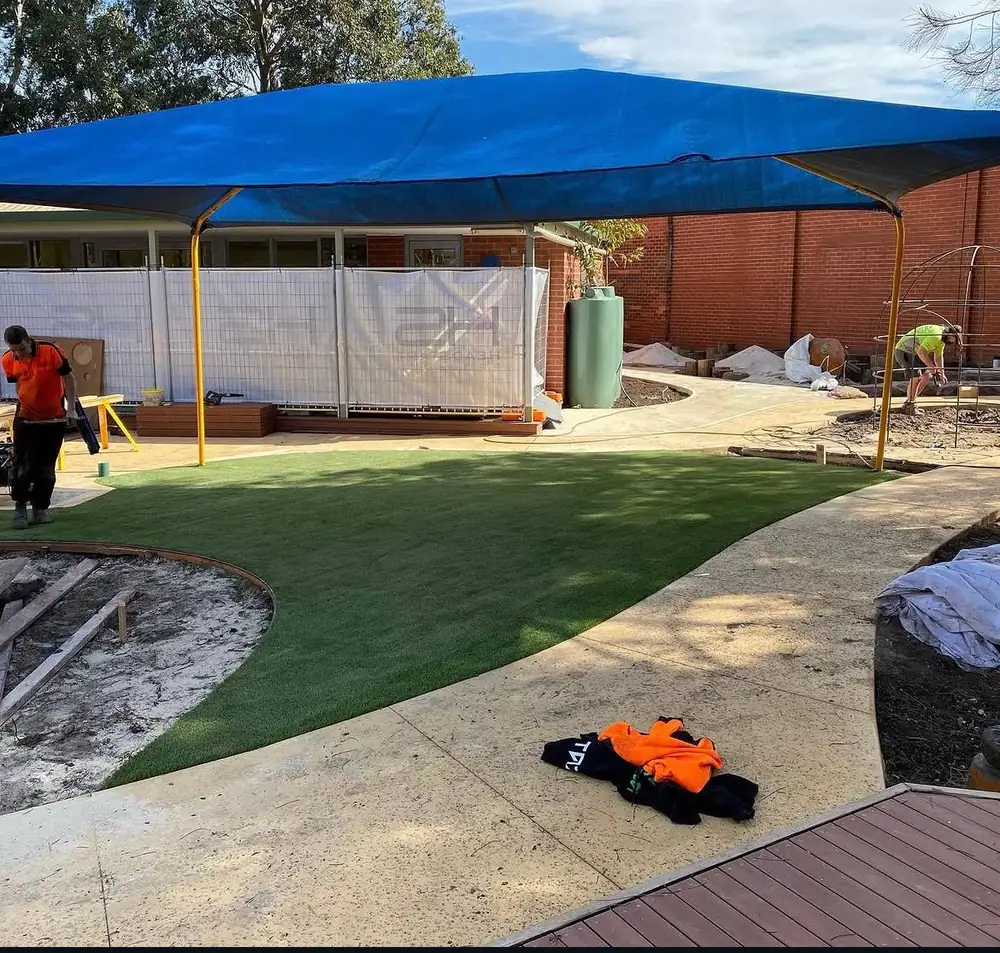
Synthetic turf installed across a Melbourne backyard lawn
Artificial grass front yard with clean edging and paving
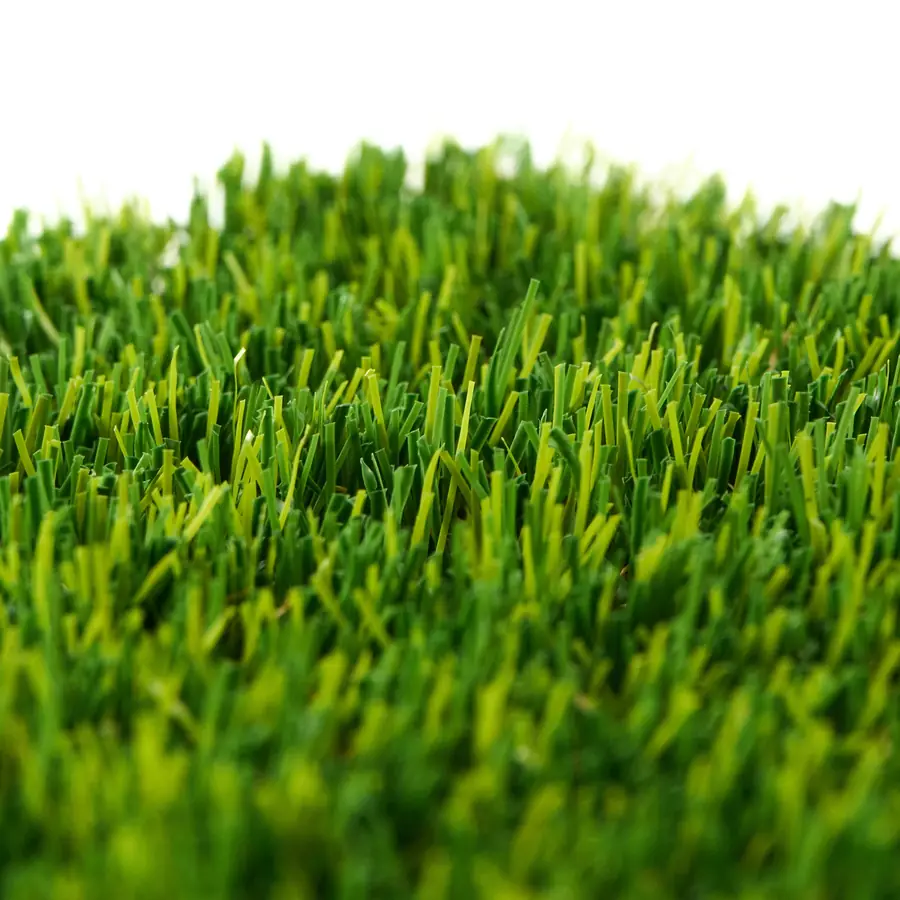
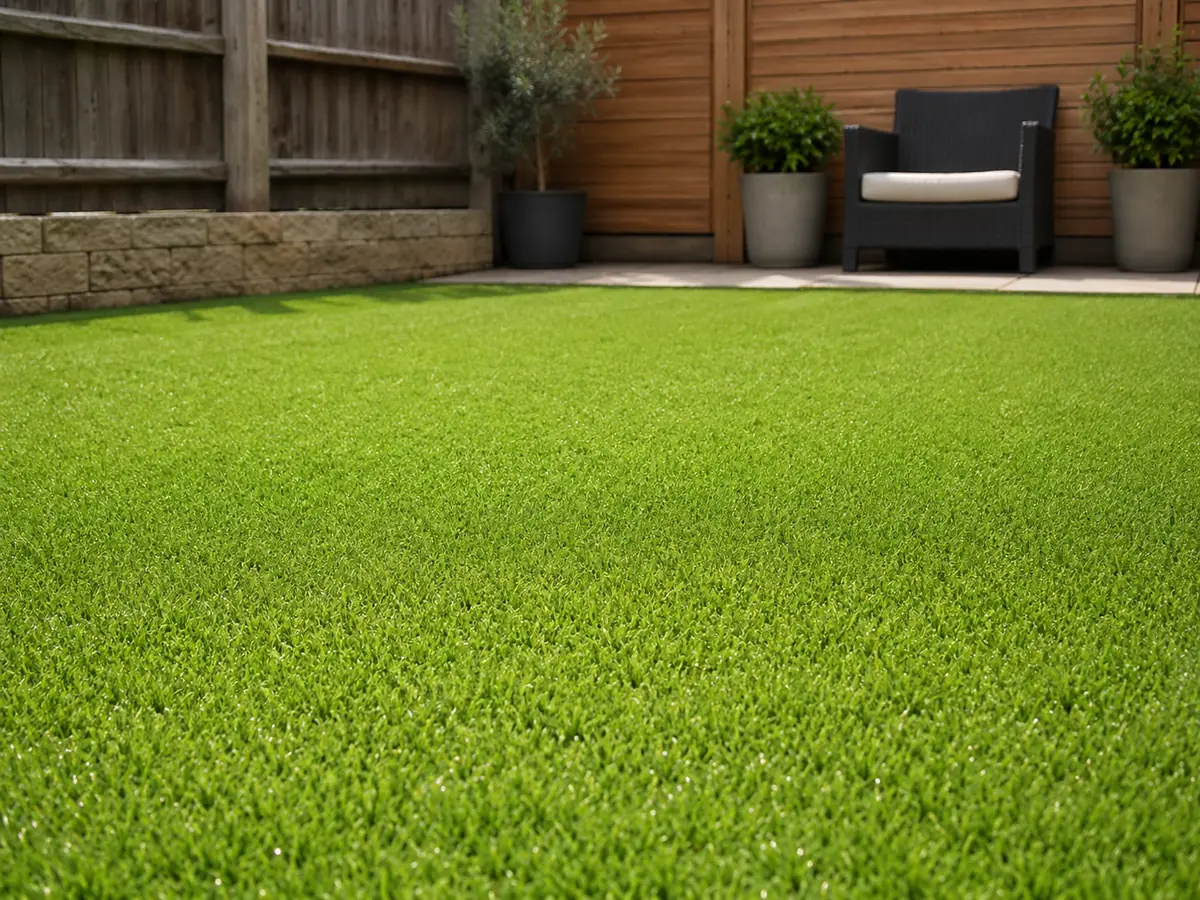
Close-up of premium synthetic turf blades and thatch layer
Commercial artificial grass installation by Premium Turf Melbourne

Common questions

Does artificial grass get waterlogged after heavy rain?

+

It can if the base is wrong or the yard has nowhere for water to go. The turf itself usually drains, but the sub-base and site falls do the real work. If water already pools in that part of your yard, the drainage plan matters before installation.

Will weeds grow through synthetic turf in Melbourne?

+

They can, but more often weeds appear from seeds landing on top rather than pushing up from underneath. Good preparation reduces the risk, especially through the middle. Edges and nearby garden beds are the spots where weeds are most likely to show up later.

Do I need a weed mat under fake grass?

+

Sometimes it helps, but it is not essential on every job and it is not a substitute for proper base prep. A weed mat may reduce some growth from below, but it will not stop seeds blowing onto the surface or fix poor drainage.

What base goes under artificial grass?

+

Usually a compacted crushed rock base, shaped to suit the site and support drainage. The exact depth and build depend on the ground conditions, access and how the area will be used. The important part is stable compaction and correct falls, not shortcuts.

How do I stop weeds coming back in artificial grass?

+

Keep the surface clear of leaf litter, dust and soil, because weeds often grow in that material on top of the turf. Good edge detailing helps too. No installer can honestly promise zero weeds forever, but proper prep and basic maintenance make a big difference.

Ready for a real number on your lawn?

Punch in your measurements for an instant estimate, or call Jason and book a free on-site measure.

Other areas & services we cover