
Synthetic turf backyard installed in Melbourne
Melbourne & Greater Victoria

How to Clean Artificial Grass Properly at Home

How to clean artificial grass is simpler than most people think, but there is a right way to do it if you want it to keep looking good. The basics are easy. Remove loose debris, rinse it down, brush the pile back up, and deal with pet mess or stains before they sit too long. What some companies gloss over is that fake grass is not zero maintenance. It is low maintenance. You still need to keep leaves, dust, weeds and pet waste under control, especially around Melbourne homes where yards can collect gum leaves, mud and general garden mess. A few small habits make a big difference.

Supplied and installed from $79/m². Fixed written price before any work starts.

8-year manufacturer warranty
Fully insured & licensed
Free on-site measure & quote
Owner-run, Melbourne based

What you need to do for everyday cleaning

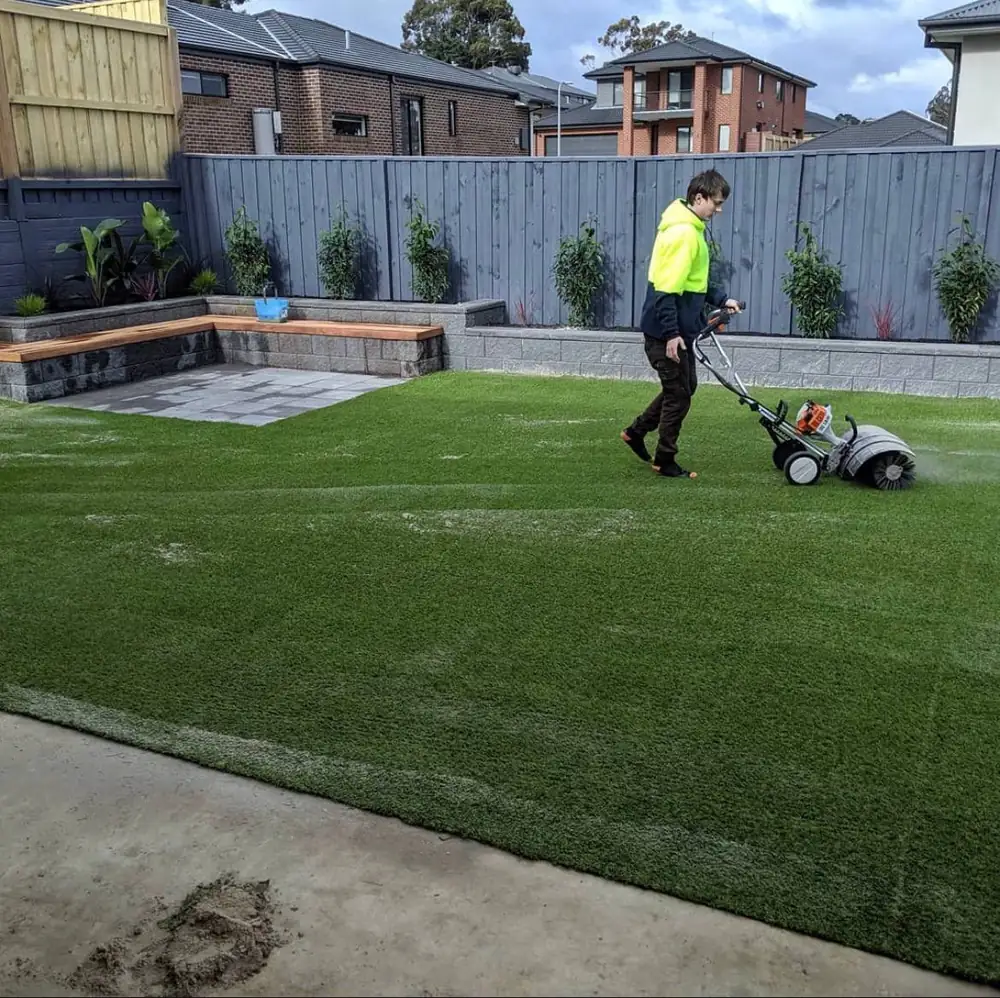
For everyday care, the goal is to stop rubbish and dirt building up in the pile. Start by clearing leaves, twigs and loose debris with a plastic rake, leaf blower or stiff outdoor broom. A metal rake can be too harsh, so it is better avoided. Once the loose mess is off, give the artificial grass a rinse with the hose to wash away dust and light dirt. If the fibres are looking flat from foot traffic, brush against the grain to lift them back up. You do not need fancy products for this. In most homes, a regular tidy-up and occasional rinse are enough to keep synthetic turf looking clean. The more trees, pets or traffic you have, the more often you will need to do it. Low maintenance does not mean no maintenance, especially in busy family yards.
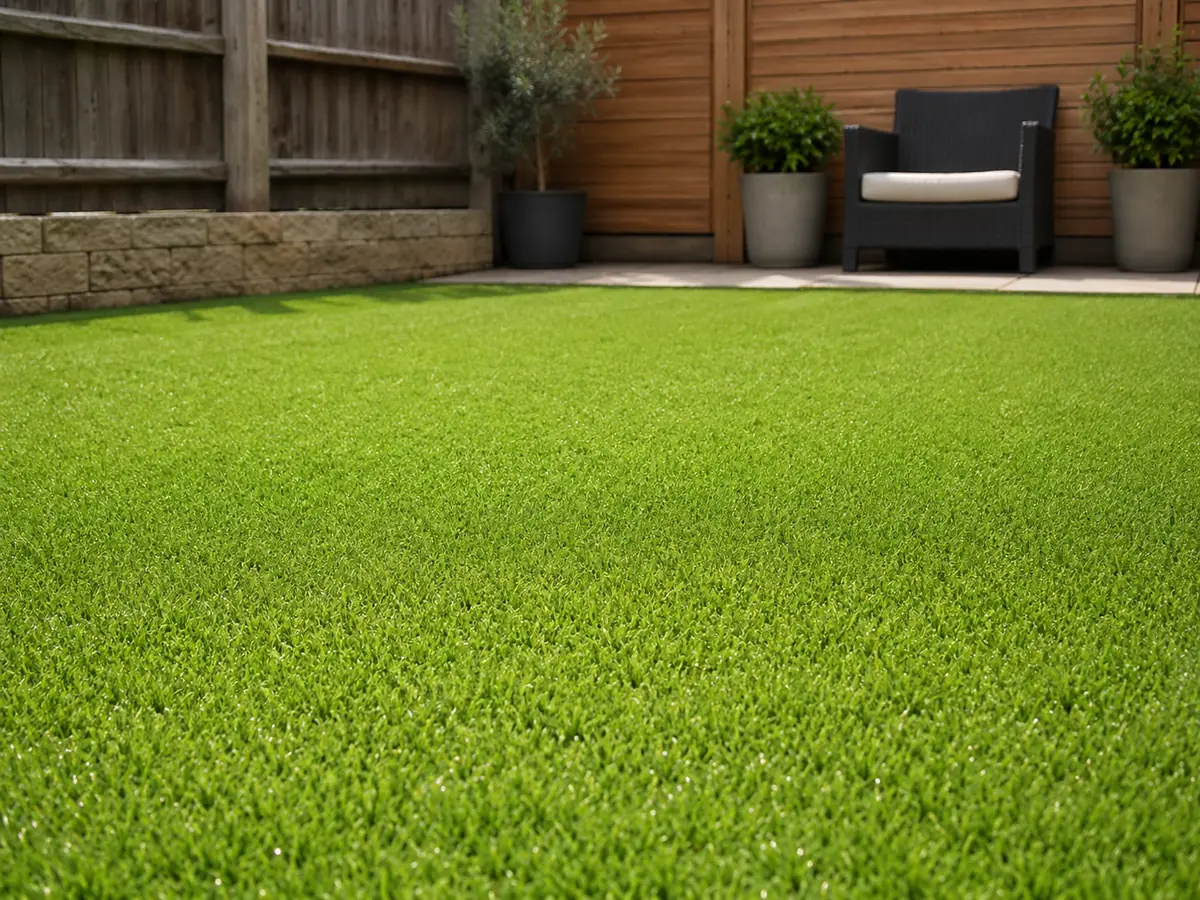
How to clean pet mess and deal with smells

If you have dogs, clean-up needs to be quick and practical. Pick up solid waste as soon as you can, then hose the area to flush away residue. For urine, regular rinsing helps stop smells from building up, particularly in warmer weather. If there is already an odour, use a turf-safe cleaner made for synthetic lawn and follow the label. Avoid pouring random strong chemicals on the grass, because some products can damage the backing or leave their own smell behind. The honest part is this. Pet-friendly artificial grass can work well, but if urine keeps hitting the same spot and the area is not being flushed properly, it can start to pong. Good installation matters too, because proper drainage helps wash waste through the system instead of letting it sit near the surface.

How to remove stains without damaging the turf

Most marks on synthetic turf are easier to remove if you get to them early. For mud, let it dry first, then brush or scrape off the bulk before rinsing. For food, drink or general grime, warm water and a small amount of mild detergent is usually enough. Use a soft brush or cloth, then rinse clean. Sticky stuff like gum needs a gentler approach. Chill it with ice so it hardens, then carefully lift it off. Keep oils, solvents and harsh cleaners away unless the product is specifically safe for artificial grass. The trade-off with fake grass is that it will not grow patchy like natural lawn, but spills can sit on the surface if ignored. Clean them early and they are usually straightforward. Leave them too long and they can become more stubborn, especially in high-use areas.

How often should you brush and hose fake grass

There is no one schedule that suits every home. A small courtyard with little leaf drop might only need a quick tidy every week or two. A family backyard with pets, trees and heavy use will need more attention. Hosing is mainly about washing away dust, pollen, light dirt and pet residue. Brushing is about keeping the fibres standing up and stopping the surface from looking tired or matted. Focus on entries, play areas and spots under outdoor settings where traffic is heaviest. After windy days, parties or garden work, it is worth doing a quick pass. If your synthetic turf has sand infill, brushing also helps keep that spread evenly. You do not need to be obsessed with it, but a little regular care is better than leaving it for months and then trying to fix a bigger mess.

When cleaning is not enough to fix the problem

Sometimes the issue is not really cleaning. If the lawn stays smelly, holds water, grows weeds through joins, or looks badly flattened all the time, there may be an installation or drainage problem underneath. Cleaning can help symptoms, but it will not fix a poor base, blocked drainage path or the wrong product for the space. This is the part worth being honest about. Artificial grass is tough, but it is not magic. Heavy shade, constant damp, too much pet use in one corner, or a rushed install can all create problems that a hose and broom will not solve. If you are planning new synthetic turf, ask about drainage, base preparation and how the lawn will handle pets and foot traffic. Good maintenance works best when the turf was installed properly to begin with.

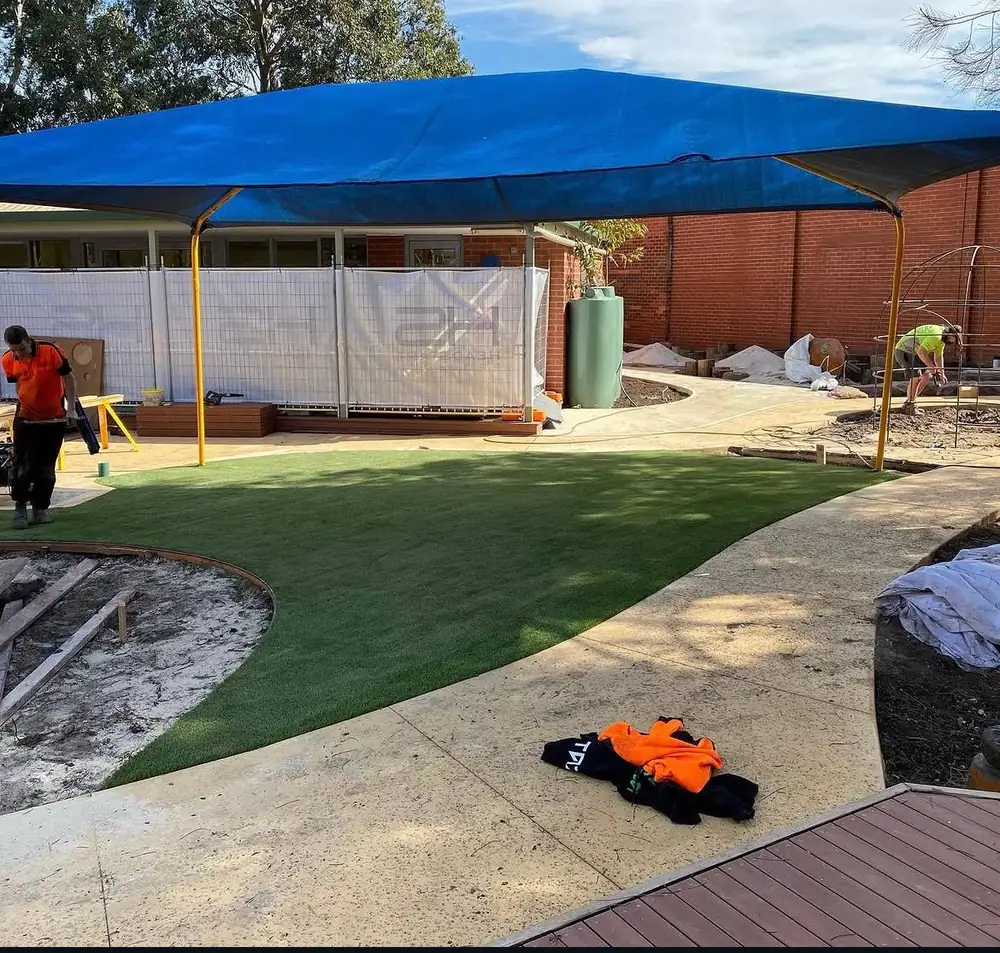
Synthetic turf installed across a Melbourne backyard lawn
Artificial grass front yard with clean edging and paving
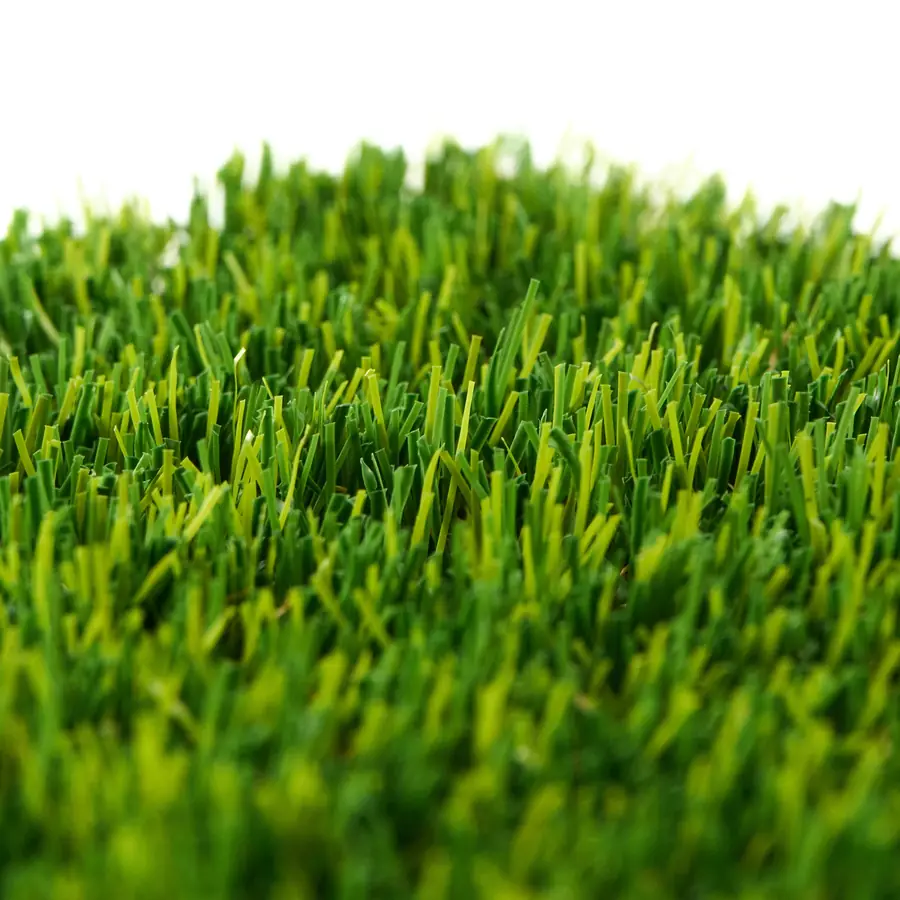
Close-up of premium synthetic turf blades and thatch layer
Commercial artificial grass installation by Premium Turf Melbourne

Common questions

Can I use a pressure washer on artificial grass?

+

Sometimes, but be careful. Too much pressure from too close can disturb infill, flatten fibres or stress joins. A normal hose is enough for most cleaning. If you do use a pressure washer, keep it on a lighter setting and do not blast one spot at close range.

What is the best thing to use for dog urine on fake grass?

+

The first step is plain water. Regular rinsing does more than people think. If smells linger, use a turf-safe pet odour cleaner made for artificial grass. Avoid guessing with harsh disinfectants or bleach, because they can create other problems and may not fix the smell properly.

Does artificial grass need cleaning in winter?

+

Yes. Winter can mean damp debris, muddy footprints and less evaporation, so leaves and grime can sit there longer. You may hose it less often than summer, but it still needs rubbish cleared off and occasional brushing to stop build-up and keep the pile from matting down.

Can weeds grow through synthetic turf?

+

They can, especially around edges, joins or where wind-blown seeds settle on top. Good installation reduces the problem, but no artificial lawn is completely weed proof forever. Regular cleaning helps because removing dirt and organic matter gives weeds less chance to take hold.

How do I stop artificial grass from smelling?

+

The main fix is regular rinsing and quick clean-up of pet mess. If odours keep coming back, the issue may be repeated urine in one area or poor drainage. A turf-safe cleaner can help, but if the base is not draining properly, cleaning alone may not fully solve it.

Ready for a real number on your lawn?

Punch in your measurements for an instant estimate, or call Jason and book a free on-site measure.

Other areas & services we cover